How Travel Schedules Impact Horse Racing Form and Subsequent Betting Lines
Sage Klein · Aug 20, 2026
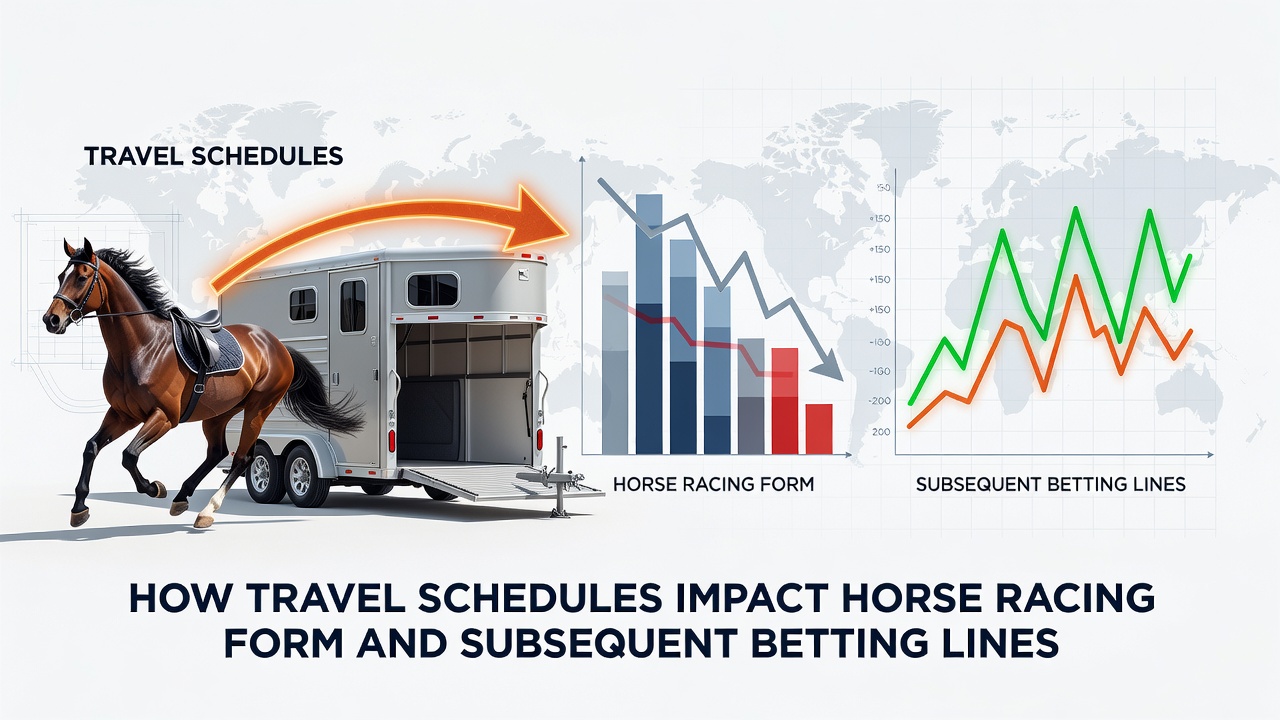
How Travel Schedules Impact Horse Racing Form and Subsequent Betting Lines
Travel schedules shape horse racing outcomes through a combination of distance, duration, and environmental shifts that affect equine physiology and recovery times. Horses moved across multiple time zones often experience disrupted circadian rhythms, which researchers link to reduced stamina in the first 48 hours after arrival, while shorter domestic hauls tend to produce more stable performance metrics according to industry tracking systems. Data from major circuits shows that animals traveling over 1,000 kilometers display measurable declines in speed ratings compared with locally stabled competitors, prompting oddsmakers to adjust morning lines accordingly.Physiological Responses to Extended Journeys
Extended transport exposes horses to vibration, temperature fluctuations, and limited movement that contribute to muscle fatigue and dehydration, conditions that studies from veterinary research institutions have quantified through blood marker analysis. When horses cross climate zones, such as moving from temperate coastal tracks to arid inland venues, respiratory adjustments become necessary and can delay peak respiratory efficiency for several days. Observers note that these factors compound during multi-leg trips, where layover periods fail to fully restore glycogen stores, leading to form reversals that betting markets incorporate through wider spreads on previously favored runners.
Transportation methods also matter, because air freight versus road convoy produces different stress profiles, with flight-related pressure changes sometimes elevating cortisol levels that persist longer than ground travel effects. Figures from equine welfare monitoring programs reveal that horses arriving by air within 24 hours of a race post average finishing positions two spots lower than their historical benchmarks, a pattern that influences how lines makers set opening odds.
Performance Data Across Regions and Seasons
Records compiled by racing authorities in Australia and North America demonstrate consistent patterns where horses traveling from opposite hemispheres require at least seven days to regain baseline form, particularly when humidity and altitude differ sharply from their training environments. In August 2026, several international entries scheduled for North American summer festivals will face precisely these variables, giving domestic stables a measurable edge that syndicates track through specialized software. Those who analyze past results find that European shippers to Australian Group 1 events have historically underperformed by margins of three to five lengths on average when jet lag coincides with southern hemisphere winter conditions.
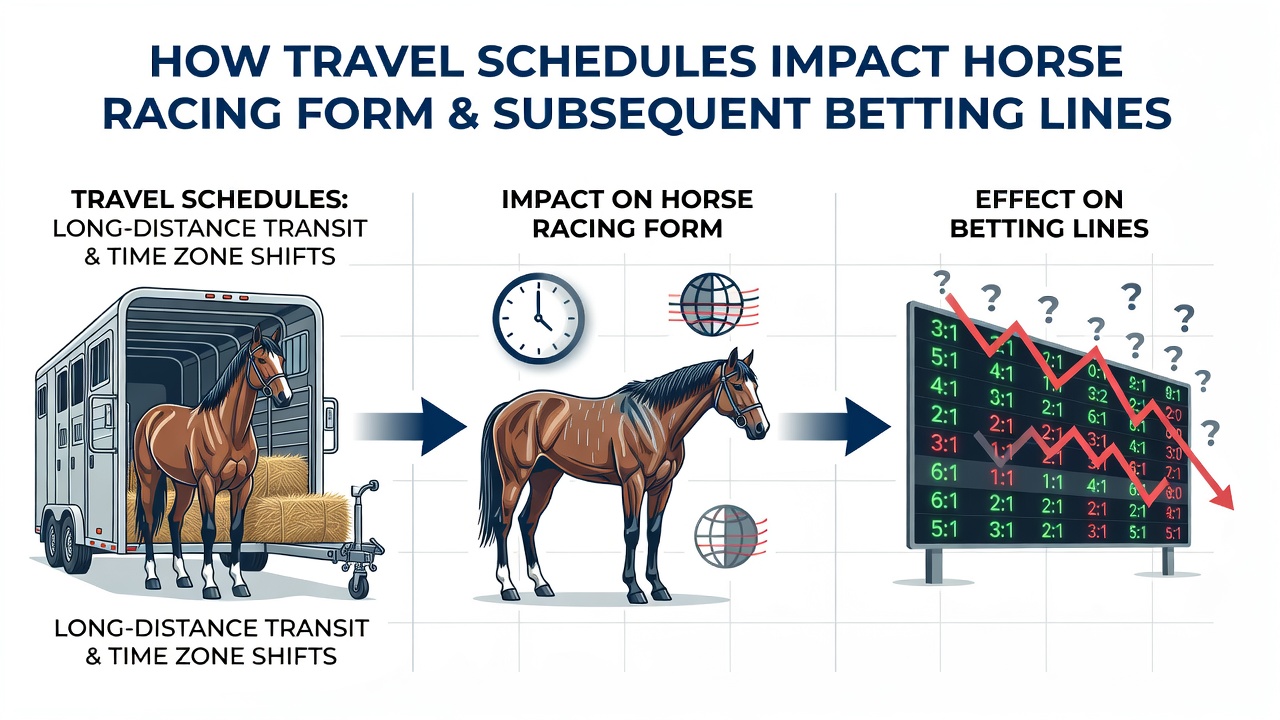
Adjustments in Betting Markets
Betting operators respond to these travel-related variables by widening morning lines on long-haul runners while tightening odds on rested local horses, a practice supported by historical payout data from pari-mutuel systems. When large syndicates identify undervalued shippers that have recovered faster than expected, they place early wagers that move the market before public bettors fully account for the same factors. Regulatory bodies such as the Canadian Pari-Mutuel Agency publish aggregated performance statistics that allow analysts to quantify how travel distance correlates with finishing margins across thousands of races.
Market makers also monitor weather forecasts at both origin and destination tracks because sudden shifts in barometric pressure can amplify travel stress and further depress expected performance. Research reports from the University of Melbourne equine science program indicate that horses traveling during extreme heat events show elevated lactate thresholds that persist through the first workout after arrival, prompting sharper line movements in advance of those contests.
Case Examples from Major Circuits
One documented instance involved a contingent of Japanese-trained sprinters shipping to a Middle Eastern winter carnival, where the combination of 12-hour flight time and desert acclimation produced slower sectional times than their domestic form suggested. Oddsmakers widened their odds by several points within 48 hours of the first timed gallops, reflecting the data patterns observed in similar prior shipments. Another pattern appears in Canadian circuits, where horses moving between eastern and western provinces encounter altitude and temperature differences that consistently alter closing speeds, information that professional handicappers integrate into model adjustments ahead of race day.
Trainers sometimes mitigate these effects through strategic shipping schedules that include extended rest periods at intermediate facilities, yet such measures do not eliminate all variables and remain visible in post-race biometric readings collected by track veterinarians.
Conclusion
Travel schedules therefore function as a measurable input that racing analysts and market operators incorporate into form evaluation and line construction. Performance databases, veterinary metrics, and regional regulatory reports provide the factual foundation for these adjustments, allowing participants to anticipate how distance, climate, and transport method will influence outcomes without relying on subjective assessments. As international racing calendars expand in 2026 and beyond, the correlation between logistics planning and market movement continues to shape wagering strategies across multiple jurisdictions.